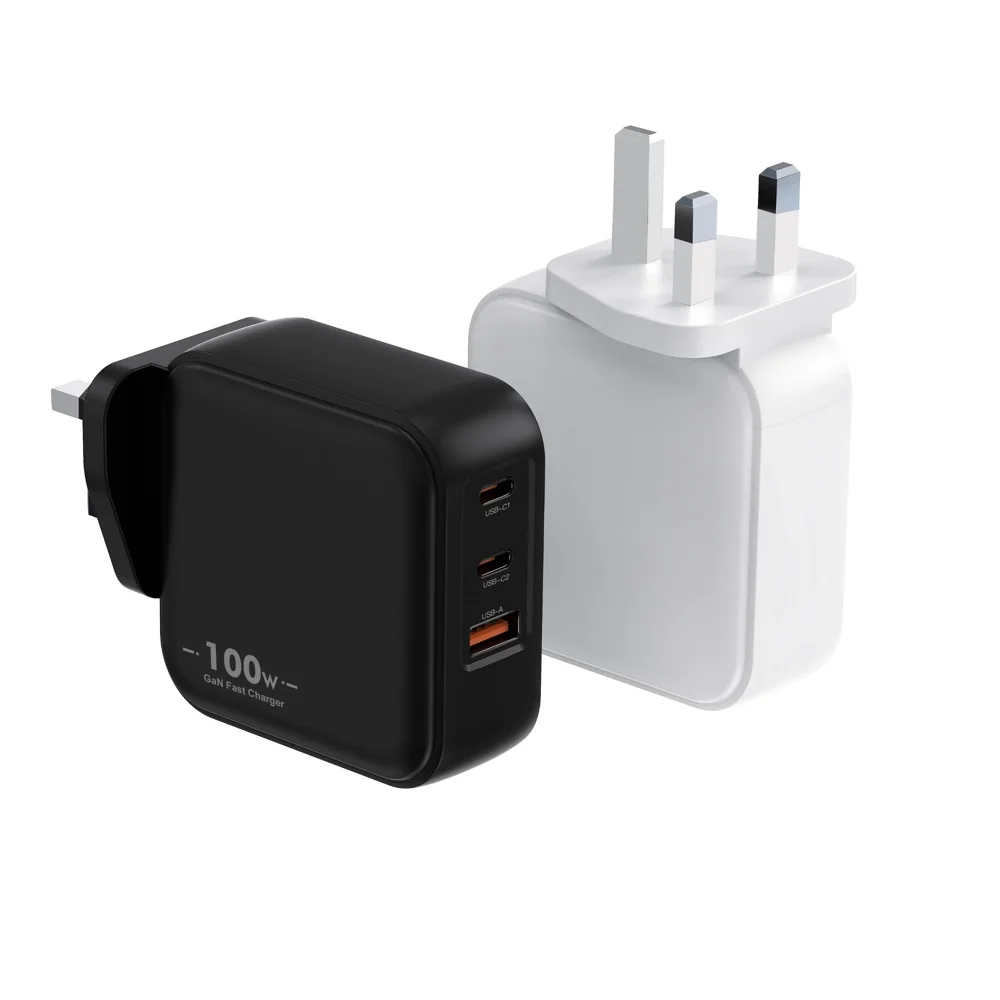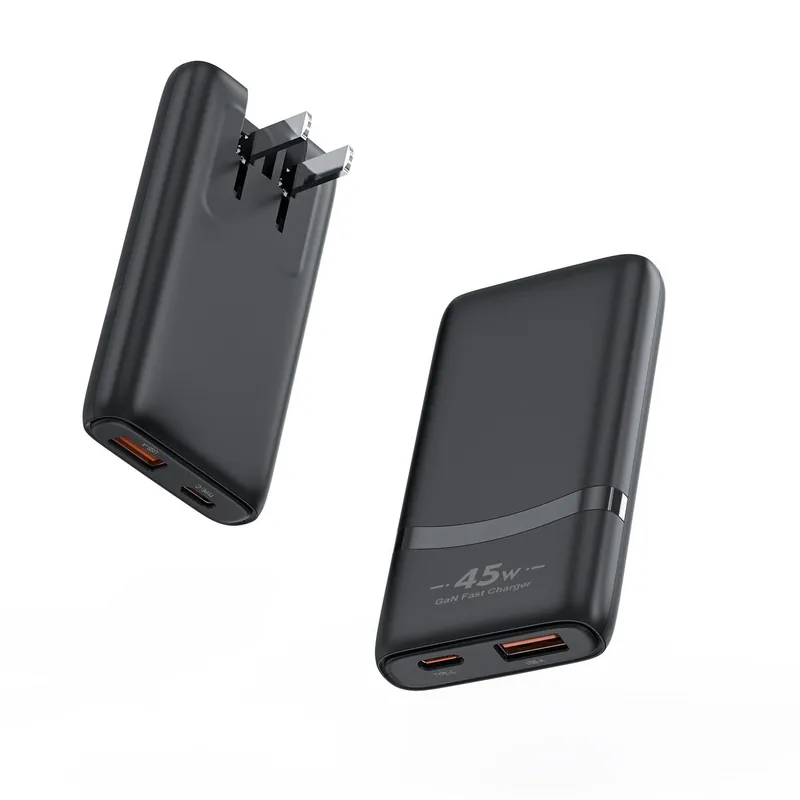
Starting a Phone Accessories Business
Six ways to run one, what each really involves, and why chargers need more care than cases, from a factory that supplies accessory sellers.
A phone accessories business looks simple from the outside: buy cases, cables and chargers cheaply, sell them for more. Most guides stop there. What they don't say is that the business model you choose decides almost everything else, and that one category, chargers, comes with legal duties the others don't.
We make GaN chargers in Dongguan, and many of our customers are accessory sellers: shops, Amazon sellers, wholesalers and new brands. This guide is what we'd tell a friend starting out.
Six ways to run a phone accessories business
1. A shop or a repair counter
A high-street shop, market stall or phone repair business selling accessories alongside its main service. Customers can see and touch the product, and impulse buys such as a cable or screen protector are common. You need stock on the shelf, so you'll buy from a local wholesaler in small quantities.
2. Your own online store
A Shopify or similar store. You keep the customer relationship and set your own prices, but you have to bring every visitor yourself, through ads, search or social media.
3. Amazon and other marketplaces
The customers are already there, but so is the competition, and the fees and document requirements are real. Chargers in particular need test reports and specific photos. Our guide on selling chargers on Amazon covers it.
4. Dropshipping
You sell without holding stock; a supplier ships to your customer. AliDropship's guide is honest about one downside: delivery often takes 7 to 20 days. For electrical items there's a bigger one, which we come to below.
5. Wholesale to other shops
You buy in bulk and sell to shops, repair businesses and online sellers. Lower margins per piece, larger orders and repeat customers. Our guide on starting a mobile accessories wholesale business goes through it step by step.
6. Your own brand
Products made with your logo and packaging, sold through any of the channels above. More work at the start, but the brand becomes an asset, and buyers can't find the identical product under another name. See how to start a charger brand.
The models side by side
| Model | Stock needed | Main cost | Main risk |
|---|---|---|---|
| Shop or repair counter | Small, varied | Rent, stock | Slow-moving stock |
| Own online store | Small to medium | Advertising | Getting traffic |
| Amazon | Medium, held in Amazon's warehouse | Fees, advertising | Competition, compliance checks |
| Dropshipping | None | Advertising | Quality and delivery you can't control |
| Wholesale | Large | Stock, storage | Cash tied up in stock |
| Own brand | Medium (factory minimums) | First order, packaging | Choosing the wrong products |
Many successful sellers combine two: a shop with an online store, or an own brand sold on Amazon and to local shops. Start with one you can manage well.
What to sell first
The core categories are the same in every guide: cases, screen protectors, cables, chargers, and then power banks, wireless chargers, car mounts and audio. The useful difference is between products tied to one phone model and products that work with most phones.
| Model-specific | Universal | |
|---|---|---|
| Examples | Cases, screen protectors | USB-C chargers, cables, car mounts |
| Stock you need | Many versions, one per phone | Few versions |
| Shelf life | Until the phone is replaced | Years |
| Electrical safety rules | No | Chargers and power banks: yes |
AliDropship makes the same point about cases: designs for one phone model "can go stale quickly when new devices launch". A USB-C charger doesn't have that problem. With USB-C now standard on phones, tablets and laptops in Europe, one charger fits almost every customer. Our best-selling phone accessories guide looks at each category in more detail.
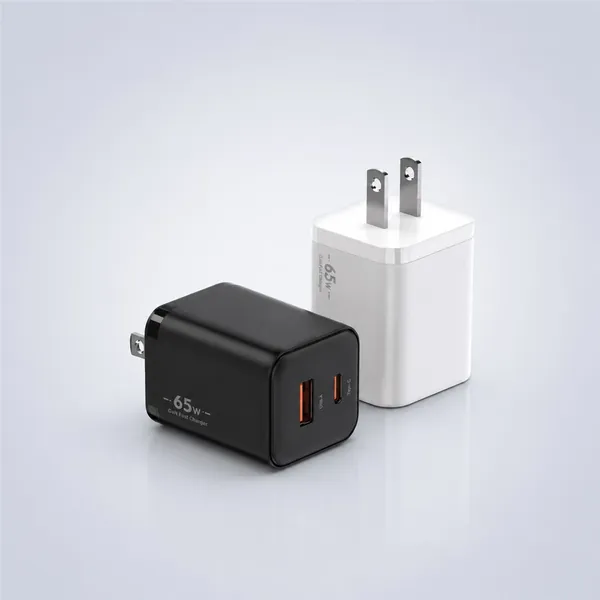
Why chargers are different
A cheap case that breaks is an annoyance. A cheap charger that fails can overheat or start a fire. That's why chargers are the category where cutting corners costs most, both in returns and in legal risk.
Mr Mobile, a UK accessories wholesaler, puts the business side clearly: a cable or adaptor that stops working after a week doesn't just lose you that customer, it makes them doubt everything else you sell, and their review warns others. In their words, selling low-quality electronics "can be more harmful to your store than not selling any at all".
The safety rules for chargers
You don't need to be an engineer, but you do need to know who is responsible. In the UK and EU, whoever imports or places a charger on the market under their name has legal duties:
- The product must be safe and carry the right marking: CE in the EU, and CE or UKCA in Great Britain.
- Test reports and a Declaration of Conformity must exist for the model, and your name and address must be on the product or packaging.
- In the EU, the General Product Safety Regulation, applying since 13 December 2024, adds duties for online sales, including clear contact details for a responsible business in the EU.
- Marketplaces add their own checks. Amazon asks for test reports from accredited labs and photos of the label and markings.
This is why dropshipping chargers is risky. You're the seller, so you're responsible, but you never see the product. If you sell chargers, buy from a supplier that can send the test reports for the exact model, and check the samples yourself. Our guides on certifications for Europe and the USA explain the documents.
Where to source
| Source | Quantity | Good for |
|---|---|---|
| Local wholesaler | Small, mixed | Shops, testing a product, fast restocking |
| Online marketplaces (Alibaba and similar) | Varies | Finding suppliers; check whether they're factories or traders |
| Factory direct | Hundreds to thousands per model | Own brand, Amazon, wholesale; lowest unit price |
Buying from a local wholesaler costs more per piece but needs little cash and no import paperwork. Buying from a factory is cheaper per piece and lets you put your brand on the product, but you handle shipping and import, and you need to order the factory's minimum. Our guide on factory vs trading company helps you tell who you're dealing with, and importing chargers from China covers the steps.
For chargers, our minimum is 500 pieces per model with your logo, or 300 on request for a first trial. Prices run from about US$2.92 for a small 30W charger to about US$17 for a 140W, and a sample is free for up to two models.
Quality protects the whole store
Whatever model you choose, reviews and returns decide whether the business lasts. A few habits help:
- Test samples yourself with the phones your customers own, before you order stock.
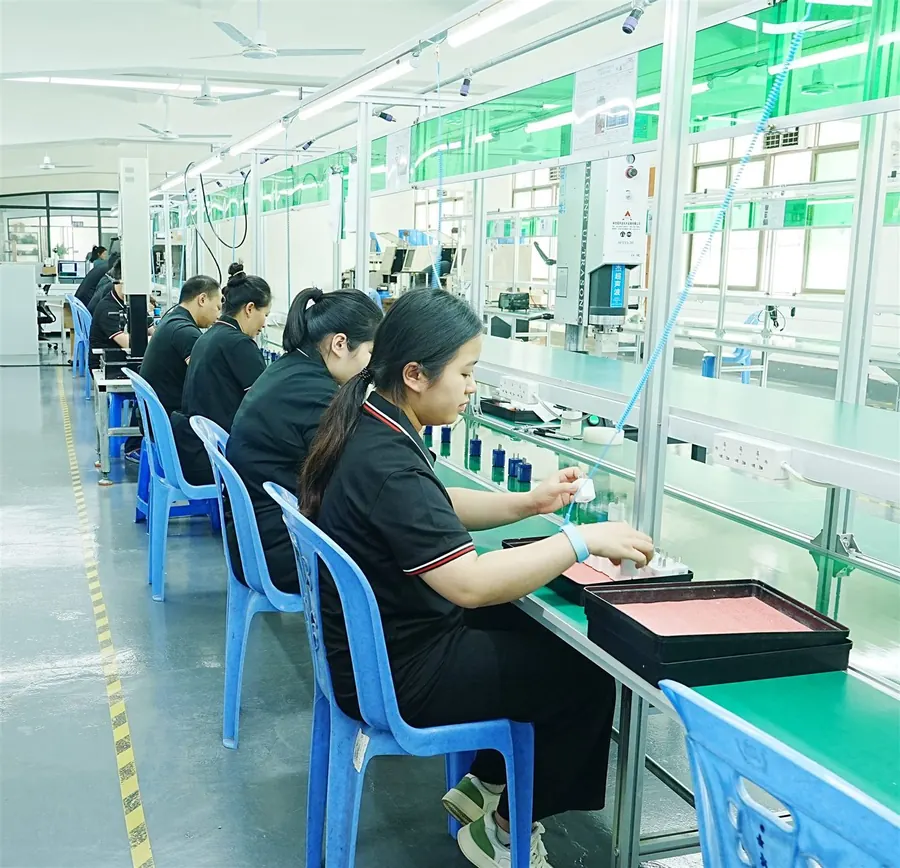
- Ask how the supplier tests. At our factory every charger is hi-pot and aging tested, any unit that fails is repaired and retested on the spot, and outgoing inspection uses AQL 0, 0.65 and 1.5.
- Check the warranty. Ours is 24 months. A supplier that stands behind its product makes it easier for you to stand behind yours.
- Package it properly. Mr Mobile notes that simple, neat packaging makes accessories look more valuable. A plain bag next to a boxed product loses the sale.
Mistakes new sellers often make
- Buying too many versions. Cases for every phone model sound like good coverage, but most of that stock sells slowly. Start with the most popular models.
- Choosing chargers on price alone. The cheapest charger in a quote is rarely the cheapest once returns and reviews are counted.
- Accepting "CE certified" without a report. Ask for the test report and check that the model number matches the product.
- Forgetting the cable. A fast charger with a weak cable charges slowly, and the customer blames the charger.
- Ignoring import costs. Freight, duty and VAT change the real cost of factory-direct stock. Our import duty guide explains them.
- Unclear wattage on listings. Customers match the charger to their device's needs. Show the wattage and the protocols, such as USB PD and PPS, clearly.
A sensible way to start
- Pick one business model and one channel.
- Choose a small range: a few universal products, such as one or two chargers and cables, plus model-specific items for the most popular phones.
- Get samples, test them, and check the documents for anything electrical.
- Order a quantity you're confident you can sell, even if the unit price is a little higher.
- Reorder what sells, drop what doesn't, and add your own branding once you know your bestsellers.
The phone accessories business rewards patience more than speed. The sellers we see doing well years later are the ones who chose a few good products and kept their quality steady.
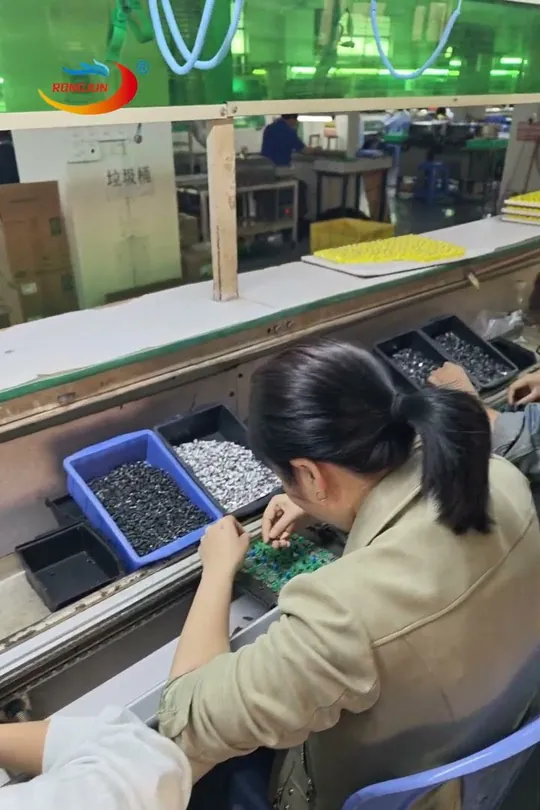 Inside the factory behind our chargers
FAQ: phone accessories business
Is a phone accessories business profitable?
How do I start a phone accessories business?
What phone accessories sell best?
Do I need certificates to sell phone chargers?
Is dropshipping phone chargers a good idea?
Can I sell phone accessories under my own brand?
Where can I buy phone accessories wholesale in the UK?
Adding chargers to your range?
Tell us your channel and market. We'll suggest models, send the test reports, and post free samples for up to two models.
Get a quote